Atison Betta Food Review for Everyday Feeding
As an Amazon Associate we earn from qualifying purchases.
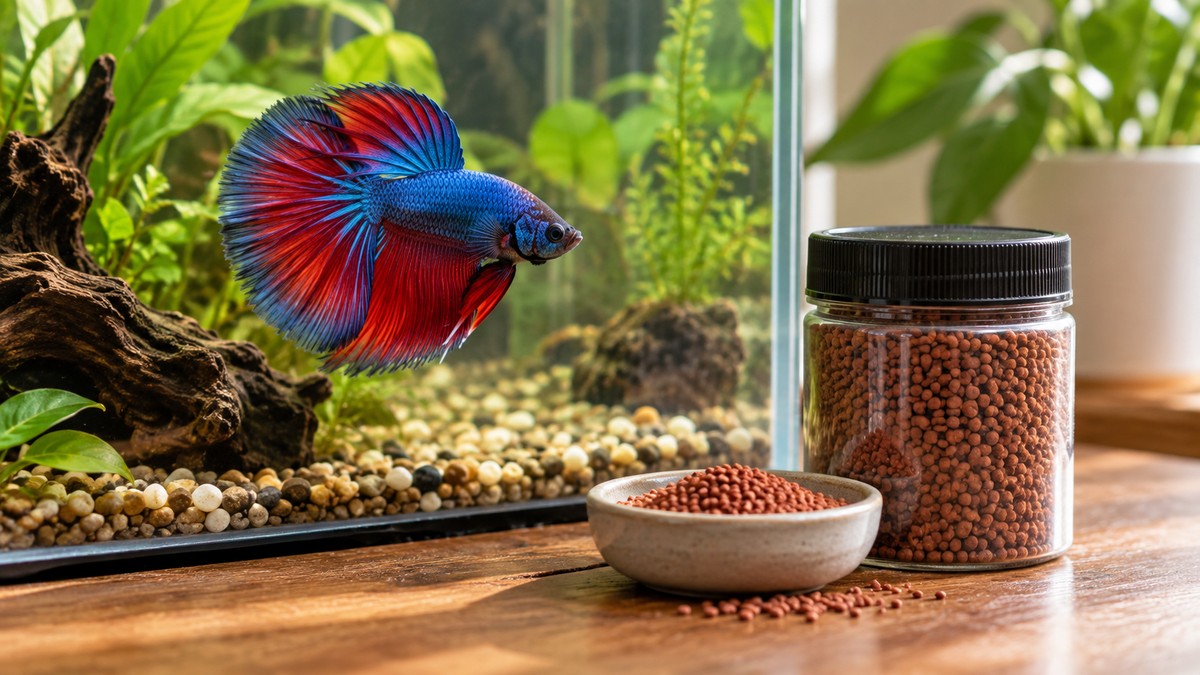
If you searched for Atison betta food, here is the straight answer: none of the product listings we have on file for this review are Atison food, so we cannot describe its ingredients, protein level or pellet size. The listings we do have cover the tools around everyday betta feeding: two automatic feeders and two kinds of feeding ring. This page covers what those listings say and how to use them, and it points out where you will need the Atison product page itself for the food facts.
Quick answer
- The food itself: check the Atison listing for ingredients, form and feeding directions. Our data does not include them, so we make no claims about it.
- For controlling portions: feeding rings keep floating food in one spot, and the automatic feeders have an adjustable slider for the amount.
- For trips: both automatic feeder listings offer 8, 12 or 24 hour feeding intervals and a 200 ml container.
- For any health question about your fish, ask a vet who treats fish.
What we can and cannot say about Atison betta food
An honest review starts with the limits of the information. The data set for this page contains no Atison listing, so there is nothing to quote on what the food is made of, whether it floats or sinks, how big the pieces are, or what the label says about storage. Writing those details from memory would be guessing, and a wrong detail about fish food matters more than a missing one.
What to look for on the Atison product page before you buy:
- Form of the food. Flakes, pellets, granules and freeze-dried items are all common. A general reference on aquarium fish food lists flakes, pellets, sticks, tablets, granules and wafers as dry foods, and notes that they can be made to float or sink.
- Ingredients and nutrition panel. The same reference says protein needs vary by species and that carnivores need a higher protein percentage than herbivores. It also says carnivorous diets should include some vegetable matter such as spirulina. Check whether the label lists a named protein source and whether it mentions plant matter.
- Piece size. A betta has a small mouth, so look for a size description in the listing.
- Net quantity and storage notes. Moisture is the enemy of dry food, which is why the automatic feeders in this review make a point of moisture-proof lids.
Everyday feeding tools from the listings
Because the food facts are missing, the rest of this review is about the equipment you might pair with any betta food, using only what each listing says.
Aoyar automatic fish feeder, rechargeable (USB Type-C)
This feeder lists three interval modes. It rotates a feeding every 8, 12 or 24 hours, and a manual button gives an instant feeding. The listing adds that small fish are recommended to be fed every 24 hours. It charges over USB Type-C, and the listing says one charge lasts 3 to 4 months depending on the number of feedings you set. A moisture-proof lid is described as reducing more than 90 percent of water vapor, which the listing says cuts down on clumping. The container holds 200 ml, and an adjustable slider controls the amount to prevent overfeeding. It lists flakes, sticks and pellets as suitable, along with powder.
Mounting is by an adjustable clamp base or a double-sided sticker, and the feeder rotates 360 degrees. The spec table lists a feeding schedule feature, a 1 year warranty and USB power. The breed recommendation field names betta, turtle and goldfish among the fish.
Who it suits: someone away for a weekend or a longer stretch who wants a timed dose. The listing’s own advice to feed small fish every 24 hours is a useful starting point for the interval setting. Watch out for: any automatic feeder dispenses the same amount on schedule, so set the slider carefully and ask an aquarium specialist if you are unsure about amounts.
Aoyar 200 ml automatic fish feeder dispenser
A closely related listing with the same three fixed modes (8, 12 or 24 hours), manual feeding, the same 200 ml capacity, a moisture-proof lid and an adjustable slider. The differences are in the details given: it states that the clamp base fits a tank cover with a thickness of 0 to 1 inch, and it names flakes, granules, powder and strips as suitable foods. Included are the feeder, two adjustable sliders, double-sided tape and a manual. The target species field lists fish and turtle, and the warranty is 1 year.
Who it suits: a keeper whose lid or hood is thin enough for the clamp. Check that thickness number against your own tank cover before buying.
SunGrow square floating feeding ring
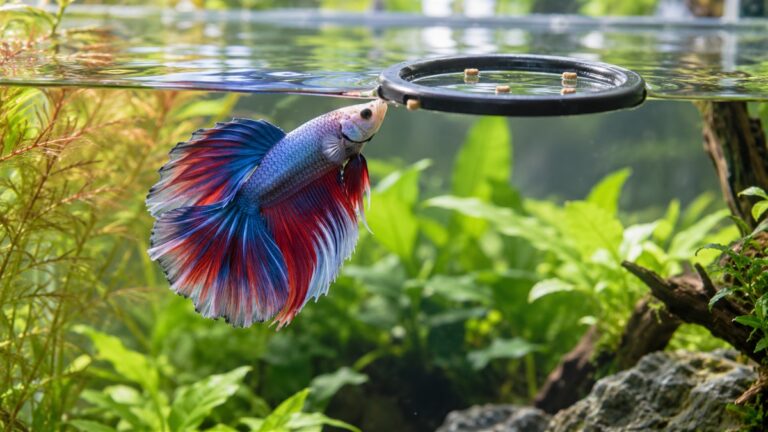
This is a 4 by 4 inch plastic square with a black suction cup, and it can either be held in place or allowed to float on the surface. The listing’s pitch is that placing flakes or pellets inside the square keeps them from drifting into the filter. It also says a ring can help finicky or shy eaters get food away from other fish, and it suggests using several rings in a community tank. Because a betta tank often holds just one fish, the most relevant benefit is the first one: contained food and less debris around the filter intake.
The listing’s material is plastic, it is lightweight, and the spec table lists the operation mode as manual. The use for a betta is to give it one predictable spot to eat.
2-piece fish feeding ring set
This set includes two rings. The listing describes a betta feeding ring that creates a designated eating area, 4 inches square or 2.9 inches round, to prevent food fighting and over consumption. It says the rings are made of non-toxic, odorless PVC rubber, attach with a suction cup, and have a flexible linkage that adapts to the water level. The listing states the set is for cold water fish in its target species field, and the capacity is listed as 27 g. The idea is the same as the square ring: food stays in one place, so floating flakes do not spill around the tank or clog the filter.
Who it suits: a keeper who wants a spare ring or likes the round shape. Watch out for: the listing leans on goldfish and turtle wording in places, so use it as a feeding ring and read the size line (4 inches square or 2.9 inches round) against your tank.
Comparison table
| Item | What it does | Size or capacity | Power or mounting |
|---|---|---|---|
| Aoyar rechargeable feeder | Timed feeding every 8, 12 or 24 hours | 200 ml | USB Type-C; clamp or sticker |
| Aoyar 200 ml dispenser | Timed feeding every 8, 12 or 24 hours | 200 ml | Clamp for covers 0 to 1 inch thick, or tape |
| SunGrow square ring | Keeps floating food in one area | 4 by 4 inches | Suction cup or free floating |
| 2 piece ring set | Keeps floating food in one area | 4 inch square or 2.9 inch round | Suction cup |
General feeding habits worth knowing
A general reference on aquarium fish food explains that food should be digestible to avoid problems such as ammonia pollution, and that decaying leftover food adds to the load on a tank. That is the reason feeding rings and slider-controlled feeders are popular: they limit how much food ends up where you do not want it. We cannot give a feeding amount for your fish, since amounts depend on the fish, the food and the tank, and the listings do not state one for bettas. If you are unsure, ask a vet who treats fish or a trained aquarium retailer.
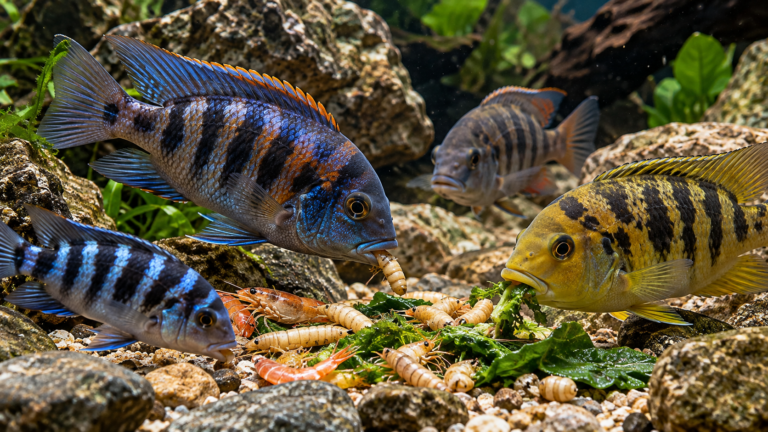
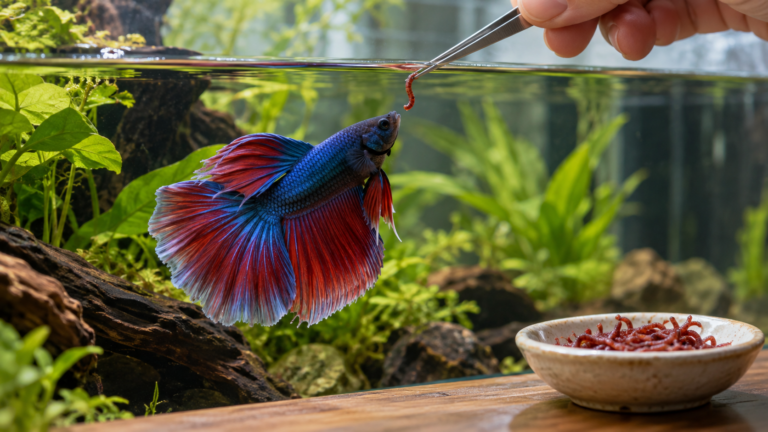
The same reference lists frozen and freeze-dried foods such as bloodworms, daphnia and brine shrimp, and live foods for those who can get them. Whether a betta should eat any of them is a question for a vet or a specialist; the point here is only that dry food is one of several food categories, so read the label of whichever product you choose.
For related reading, see our Aqueon betta food page for another brand, and how to keep a betta happy for the bigger picture on water, food and calm.
FAQ
Is this a review of Atison betta food itself?
No. The data we have contains feeding equipment, not an Atison listing, so we do not describe the food. Use the Atison product page for ingredients and directions.
How often do the automatic feeders dispense food?
Both Aoyar listings offer 8, 12 or 24 hour intervals, plus a manual button. The listings recommend a 24 hour interval for small fish.
Do the feeders hold dry food only?
The listings mention flakes, granules, pellets, sticks, strips and powder, all dry forms. They do not mention frozen or live food.
What is a feeding ring for?
It floats on the surface and holds flakes or pellets in one area so they do not drift to the filter or around the tank.
Can I use a feeding ring and an automatic feeder together?
The listings do not discuss it. A ring sits on the water surface and the feeder drops food from above, so they work on different parts of the job, but you would need to position them yourself.
Can guppies eat betta food?
See our separate article on whether guppies can eat betta food.
Bottom line
Check the Atison page for facts about the food, and pick equipment by how much control you want: a ring for portion location, or a feeder for timing. Do not rely on a device to fix overfeeding. Keep amounts small, and ask a vet with fish experience about anything related to your betta’s health.