Most Accurate Aquarium Test Strips: What Each Listing Proves
As an Amazon Associate we earn from qualifying purchases. Details
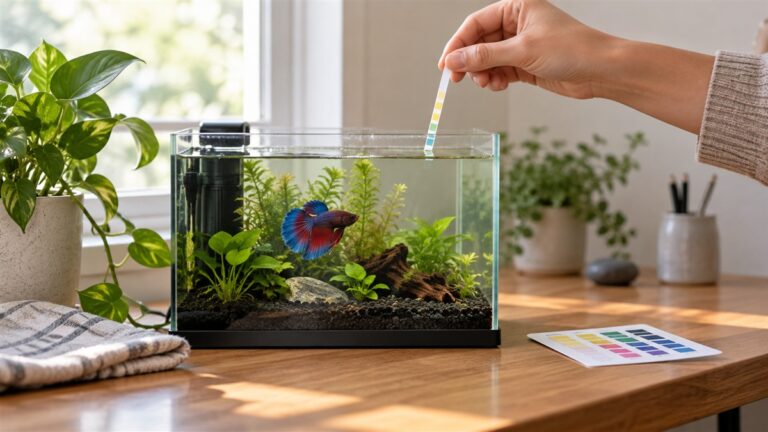
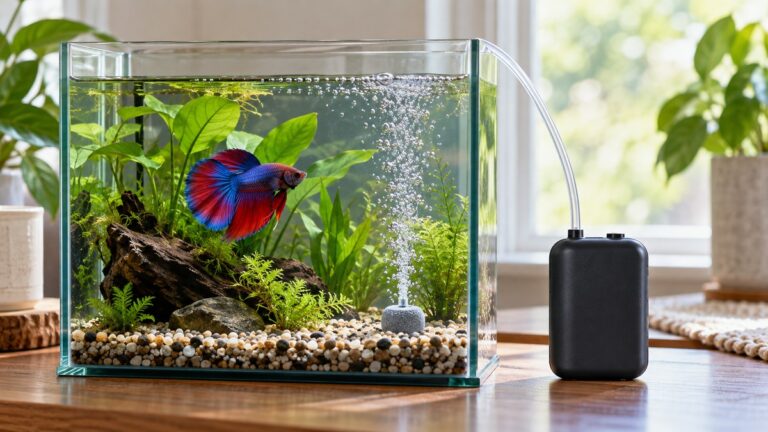
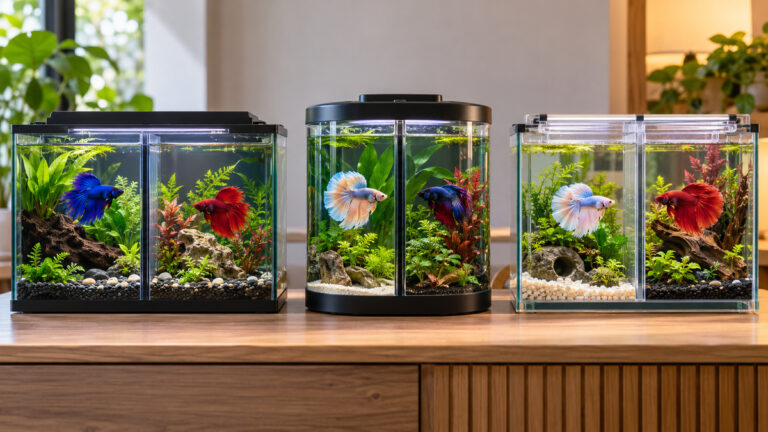
If you are looking for the most accurate aquarium test strips, the first step is to separate an accuracy claim from accuracy evidence. Many listings say accurate, lab-tested or up to 99% accuracy, but few say how that was measured. This guide shows what each listing actually states, which picks give you the most checkable details, and what to look for before you buy. For a betta tank, a common rule of thumb is a heated, filtered setup of 5 gallons or more, so choose strips you can read reliably at that size.
Quick answer
No strip in these listings proves that it is the most accurate. Treat words like lab-tested and up to 99% accuracy as the seller’s claims, not as test results. The most checkable pick here is the Pawfly digital kit, because its listing states measurement ranges. For a large strip count with an accuracy claim and pad timing printed on the listing, look at the Yiffer pack. For a brand-name box with a short parameter list, look at the API box. For salinity on one strip, look at the Palinoia pack. For stated read times and a warranty, look at the Caperplus pack.
What “most accurate” can and cannot mean on a listing
An accuracy claim is a statement from the seller. Accuracy evidence is a stated method, a stated range, or a result you can check. A listing that gives none of the second kind leaves you with the first. That does not make the strip poor. It means the word accurate cannot settle the choice on its own.
The UF/IFAS guide on ammonia shows why method matters. It says that Nessler’s method can give a falsely elevated ammonia reading after formalin use within 24 to 72 hours, and with ammonia binding products and many water conditioners. It also says the ammonia salicylate method is not affected by ammonia binding products or formalin treatments. So a strip that says ammonia but does not name a method leaves you guessing about interference. Ammonia is also colorless and odorless, so a test is the only way to know it is present.
Stated measurement ranges
A stated range tells you what the test can read. Only one listing here gives a full set of ranges across several parameters. That listing is the Pawfly digital kit. Most strip listings give a pH range and nothing else. When a listing gives no range, you cannot judge a reading against a limit it never stated.
Method and interference
Look for a named method, especially for ammonia. If the listing names one, compare its interference notes with your own treatments and conditioners. If it names none, the accuracy claim is harder to test against your own setup. The phrase lab-tested is weaker than a named method, because it does not say which lab or which method.
Reading time and light
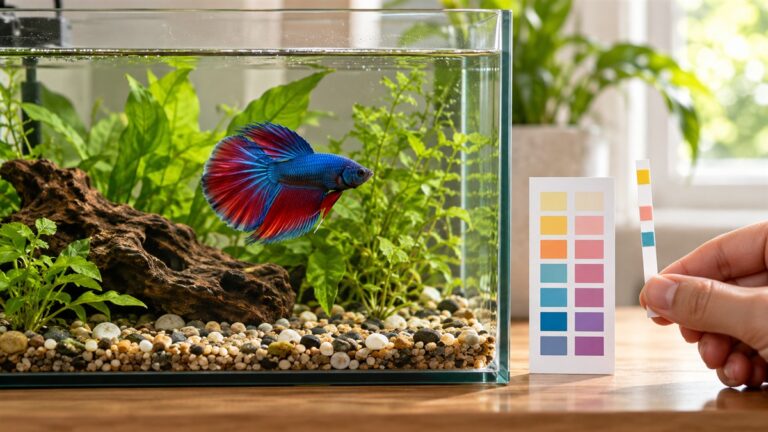
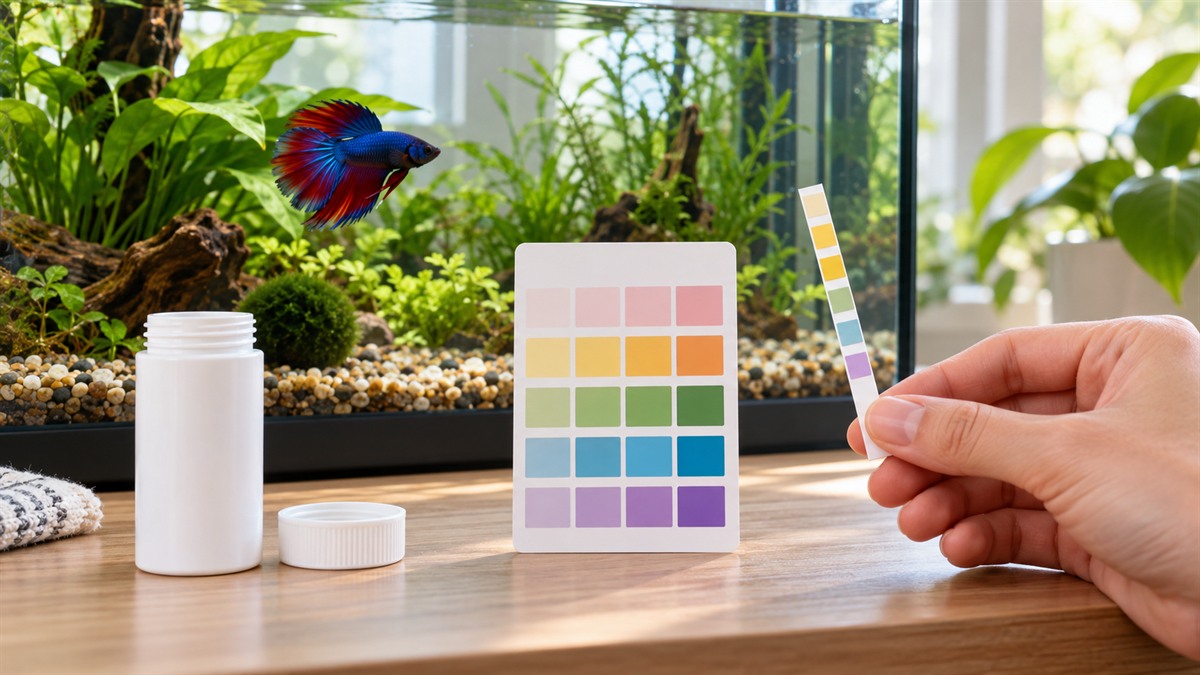
Read times vary from strip to strip, and the fish tank test strip color chart guide shows how to match pads to the chart. Some listings give a 15 second read for some pads and 60 seconds for others. Some give 30 seconds for most pads and 120 seconds for one. Follow the timing on the listing exactly, and read under steady natural light, as several listings instruct. A fast read does not make a strip more accurate, but a rushed read can make any strip look wrong.
Storage, count and bleed
Keep the cap closed and the wet fingers out of the bottle. Several listings say the strips should be stored in a cool, dry place. A sealed case helps keep strips usable longer. Color bleed is a common complaint with strips, so a listing that says non-bleeding pads is making a claim you can check on the strip itself. Count matters too, so compare the number of strips with how often you plan to test.
1. Pawfly 6 in 1 Digital Water Testing Kit, 50 Strips Aquarium Water Test Kit (Stated ranges, digital reading)
Specs from the listing (checked 2026-10-13):
- Included Components: 6 in 1 Aquarium Water Master Test Kit
- Specific Uses for Product: Helps monitor water quality and prevent invisible water problems
- Size: Water Testing Kit
- Package Dimensions: 9.88 x 8.19 x 2.64 inches; 1.41 pounds
Pros
- The listing states measurement ranges, including pH 6.2 to 8.4 and nitrate from 0 to 250 ppm
- The listing says it stores up to 100 test records for comparison
Cons
- The listing says it runs on 3 AA batteries, which are not included
- The listing uses digital results, so you need the device as well as the strips
Best for: A reader who wants stated ranges and digital readings instead of color matching.
Skip if: You want a plain strip with a color chart and no batteries to buy.
View on Amazon (affiliate link)
2. 175-Count 8-Way Aquarium Test Strips with Ammonia-Fish Tanks&Ponds (Eight parameters with a claim to check)
Specs from the listing (checked 2026-10-13):
- Unit Count: 175 Count
- Item Highlight: Accurate Test Ammonia,pH, Total Alkalinity, Carbonate, Hardness, Free Chlorine, Nitrate and Nitrite
- Included Components: 175 8-way Aquarium Test Strips with Ammonia
- Item Weight: 2.8 ounces
- Package Dimensions: 5.31 x 2.17 x 2.13 inches
Pros
- The listing states 175 strips in one pack
- The listing names total alkalinity and carbonate on the 8-way strip
Cons
- The 3% accuracy line is a listing claim with no lab or method named
- The ammonia pad needs 120 seconds, longer than pads one through seven
Best for: A regular tester who wants many strips and eight parameters in one dip.
Skip if: You need the accuracy claim backed by a named lab or method before you buy.
View on Amazon (affiliate link)
3. API 5-IN-1 TEST STRIPS Freshwater and Saltwater Aquarium Test Strips 100-Count Box (Brand-name box with a short list)
Specs from the listing (checked 2026-10-13):
- Ph Range: 6.5 – 8.0
- Recommended Uses For Product: Freshwater and Saltwater
- Material Type: Paper
- Unit Count: 1 Count
- Item weight: 1.76 ounces
Pros
- The listing names carbonate and general water hardness on the strip
- The listing gives a weekly schedule and a trigger for extra checks
Cons
- The listing gives a pH range of 6.5 to 8.0 but no range for the other parameters
- The listing makes no accuracy claim, so there is no accuracy figure to compare
Best for: A buyer who wants a brand-name box with a short, familiar parameter list.
Skip if: You need ammonia or chlorine on the same strip.
View on Amazon (affiliate link)
4. Palinoia 8-in-1 Aquarium Water Test Strips, 60 Count (Salinity on one strip)
Specs from the listing (checked 2026-10-13):
- Included Components: 60 Aquarium Water Test Strips (50 + 10 Bonus), Color Chart, Instructions
- Specific Uses for Product: Active, Indoor, Outdoor
- Color: Multi
- Item Weight: 2.99 ounces
- Package Dimensions: 5.75 x 2.2 x 1.97 inches
Pros
- The listing names salinity among eight parameters on one strip
- The listing includes 10 bonus strips with its 50 strips
Cons
- The listing does not name carbonate
- The listing calls the strips accurate without giving an accuracy figure
Best for: A reader who wants ammonia and salinity on one strip in a 60-strip count.
Skip if: You need carbonate named on the listing.
View on Amazon (affiliate link)
5. 9-in-1 Aquarium Test Strips for Accurate Water Quality Testing (Read times and a warranty)
Specs from the listing (checked 2026-10-13):
- Unit Count: 1 Count
- Included Components: Aquarium Test Kit
- Item Highlight: Fast Results for pH, Nitrite, Nitrate, Chlorine, Hardness Alkalinity – Easy-to-Use Water Quality Monitoring Kit for Fish Tank
- Number of Items: 50
Pros
- The listing gives 15 seconds for pH, hardness and chlorine, and 60 seconds for nitrate and nitrite
- The listing states a 12-month warranty
Cons
- The up to 99% accuracy line names no method or source
- The number of items field reads 50, while the unit count field reads 1 Count
Best for: A reader who wants read times on the listing and a stated warranty.
Skip if: You need a confirmed pack size or an accuracy method before you buy.
View on Amazon (affiliate link)
How each pick fits a betta tank
Each pick below states at least one checkable detail. Each one gets one write-up. The product card above shows the full spec list, so this section adds only what the listing means for a small betta tank.
Pawfly 6-in-1 digital: the only listing with stated ranges
The title says 6 in 1, and the bullets name pH, nitrate, nitrite, chlorine, general hardness and carbonate hardness. The listing states ranges for each one, including pH 6.2 to 8.4 and nitrate from 0 to 250 ppm. It says a reading beyond range shows the maximum or minimum value. It stores up to 100 test records for comparison. The listing says the device uses digital results rather than color matching. It runs on 3 AA batteries, which are not included. Pick this kit if you want stated ranges and digital readings instead of color matching. Skip it if you want a plain strip with a color chart and no batteries to buy.
Yiffer 175-count: a claim with no source, and a long pad timing
The listing names eight parameters in one dip, including total alkalinity, carbonate and hardness. It gives 175 strips in one pack, and the pads are spaced 6mm apart to reduce color bleed. The listing says lab-tested to 3% accuracy, but it does not name the lab or the method. The ammonia pad needs 120 seconds, while pads one through seven need 30 seconds. Pick this pack if you test often and want a large count with eight parameters. Skip it if you need the accuracy claim backed by a named lab or method before you buy.
API 5-in-1: a brand-name box with a short list
The listing names pH, nitrite, nitrate, carbonate and general water hardness in one box of 100 strips. It gives a pH range of 6.5 to 8.0 but no range for the other parameters. It makes no accuracy claim, so there is no figure to compare. The bullets say to use the strips for weekly monitoring and when water or fish problems appear. Pick this box if you want a familiar brand with a short parameter list. Skip it if you need ammonia or chlorine on the same strip, since the listing does not name either.
Palinoia 8-in-1: salinity named on one strip
The listing names eight parameters on one strip: pH, ammonia, nitrate, nitrite, hardness, alkalinity, chlorine and salinity. The pack holds 60 strips, including 10 bonus strips with its 50. It is listed for freshwater and saltwater aquariums. The listing calls the strips accurate and reliable but gives no accuracy figure. It does not name carbonate, so a carbonate reading needs a different product. Pick this pack if you want ammonia and salinity on one strip in a 60-strip count. Skip it if you need carbonate named on the listing.
Caperplus 9-in-1: stated read times and a warranty
The listing names nine parameters, including carbonate, total hardness, alkalinity, copper and iron. It gives 15 seconds for pH, hardness and chlorine, and 60 seconds for nitrate and nitrite. It says its high-precision paper ensures up to 99% accuracy, but the listing names no method or source for that figure. It states a 12-month warranty. The number of items field reads 50, while the unit count field reads 1 Count, so confirm the pack size before you order. Pick this pack if you want read times and a warranty on the listing. Skip it if you need a confirmed pack size or an accuracy method before you buy.
Strips that claim accuracy without detail
Several other strips in these listings use words like accurate, fast and reliable without a range, a method or a read time. Those words are claims. They do not tell you how the strip was checked, so do not treat them as a ranking. If a listing gives none of the checkable details above, compare it against the picks rather than against its own adjectives.
How to choose
Use these rules in order. They change with this keyword, because the claim has to be checked before anything else.
- Choose a digital kit if you want stated ranges and do not mind batteries and a device.
- Choose a strip with a named method if you need ammonia readings near conditioners or treatments.
- Choose a strip with stated read times if you test on a schedule and want the timing printed on the listing.
- Choose a large count if you test often, and check whether the count is the strip count or the item count.
- Skip any listing whose accuracy line names no method, lab or source, and treat it as a claim.
- Skip any listing whose pack size fields disagree until the seller corrects them.
Worked example: how long a strip count lasts
A 60-strip count lasts 60 divided by 1 equals 60 weeks.
Three years of 52 weeks equals 156 weeks, so 175 weeks is more than three years.
The slower schedule doubles the time a count lasts, but it also gives you fewer readings to compare over time.
Common mistakes
- Treating an accuracy claim as a test result. Look for a named method, a stated range or a source before you rank strips by accuracy.
- Reading the ammonia pad too early or too late. Follow the timing printed on the listing for each pad.
- Testing right after treating the tank without noting it. A UF/IFAS note says some ammonia-binding products and conditioners can change a reading, so write down what you added before you test.
- Reading strips in poor light. Several listings say to read under natural light.
- Touching the pads with wet fingers. The listings say to keep hands dry and fingers out of the bottle.
- Using a bowl as the test setup for a betta. This site does not recommend bowls, so a reading taken from one does not describe a proper home.
- Assuming one strip covers every parameter. Check the parameter list, then compare it with the tests you need. The ammonia test kit guide and the pH test kit guide cover two parameters in more depth.
FAQ
Are test strips as accurate as liquid kits?
The listings do not settle that. Strips are quick, and liquid kits take more steps. Neither format is proven more accurate by these listings alone. Compare the stated method, range and reading steps for the kit you are considering.
What does lab-tested mean on a strip listing?
It means the seller says a lab tested the product. The listing may not name the lab, the method or the results. Ask what the listing states before you rely on the word.
Does a digital tester make a strip more accurate?
A digital tester removes color matching, which can help some readers. It does not make the chemistry more accurate by itself. Check the stated ranges and the batteries the device needs.
Why does the ammonia method matter?
The UF/IFAS guide says Nessler’s method can read falsely high after formalin use within 24 to 72 hours, and with ammonia binding products and many water conditioners. The salicylate method is not affected by those. If a listing does not name the method, be cautious around treatments.
How often should I test?
The UF/IFAS guide advises weekly ammonia testing in a production system, and an immediate test when fish appearance or behavior changes. Use that as a starting point for a home tank, not as a betta care rule.
Do bonus strips count toward the total?
Yes, if the listing includes them in the pack count. The Palinoia listing gives 50 strips plus 10 bonus strips, which makes 60 in total. Check how the listing describes its count before you compare packs.
Should I buy the largest pack?
Only if you will use the strips before their storage life runs out. A larger pack gives more tests, but it also lasts longer on the shelf. Match the count to how often you actually test.
Bottom line
Start with the claim. If a listing gives a stated range, a named method or a read time, it is easier to check than a listing that only uses adjectives. For stated ranges and digital readings, choose the Pawfly kit. For a strip with an accuracy line and pad timing, choose the Yiffer pack, and verify the claim first. For a familiar brand, choose the API box. For salinity on one strip, choose the Palinoia pack. For read times and a warranty, choose the Caperplus pack. Skip any listing that makes an accuracy claim without a method, a lab or a source.
Sources
- UF/IFAS: Ammonia in Aquatic Systems (FA031): Nessler’s method can read falsely high after formalin use within 24 to 72 hours and with ammonia binding products and many water conditioners, while the salicylate method is not affected; ammonia is colorless and odorless, so testing is the only way to know it is present.