Fish That Go With Betta: Tankmate Compatibility Guide
As an Amazon Associate we earn from qualifying purchases.
The fish that go with betta are small, peaceful species that stay out of the betta’s way, such as kuhli loaches, ember tetras, harlequin rasboras and cory catfish, and they only work in a tank that is large enough and well planted. A betta is territorial, and the care guide we read for this article describes bettas as fierce toward their own kind. Success comes from tank size, cover and the right group sizes, not from luck.
Quick answer
- Plan on an aquarium of at least 10 to 20 gallons if you want tankmates.
- Good candidates from the source: kuhli loaches, ember tetras, harlequin rasboras, cory catfish and Malaysian trumpet snails.
- Never house two bettas together, and avoid mystery snails.
- Give the tank lots of cover and live plants, or the betta may become overly territorial.
Why a betta needs a careful tankmate plan
A betta is not a community fish by default. Its long fins and bold temperament make it a target for nippy fish, and its own territorial streak makes it a threat to anything that looks or behaves like a rival. The Aquarium Co-Op tankmate guide states that the choice of tankmates depends on the individual betta’s personality, so even a well-matched species can fail with one particular fish. That is why it helps to think of tankmates as a trial with a backup plan rather than a guaranteed outcome.
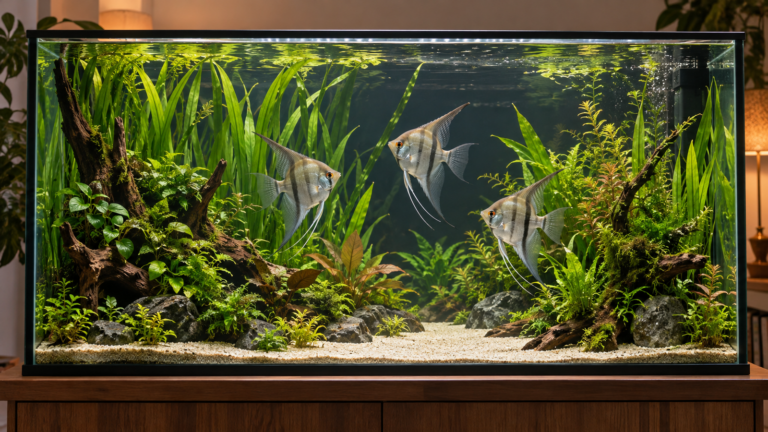
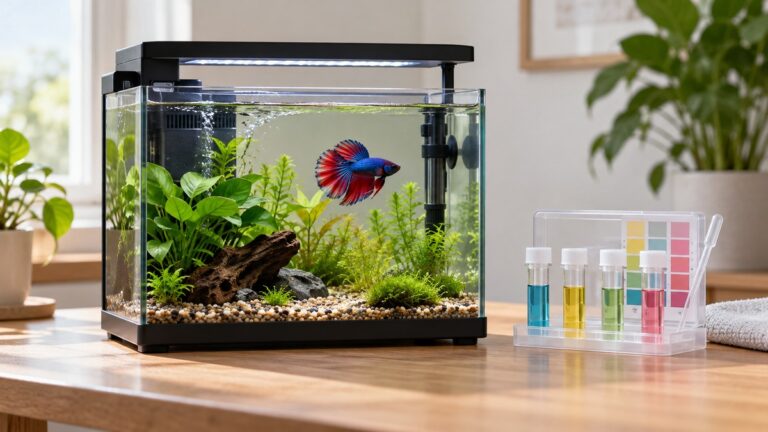
The same guide points to two things that raise your odds. The first is space: it recommends an aquarium of at least 10 to 20 gallons for a betta with companions. The second is cover. Without live plants and hiding places, the betta may become overly territorial because it can see every other animal in the tank at all times. Broken sight lines let a tankmate retreat and let the betta lose interest.
Tankmates the source recommends
Kuhli loaches
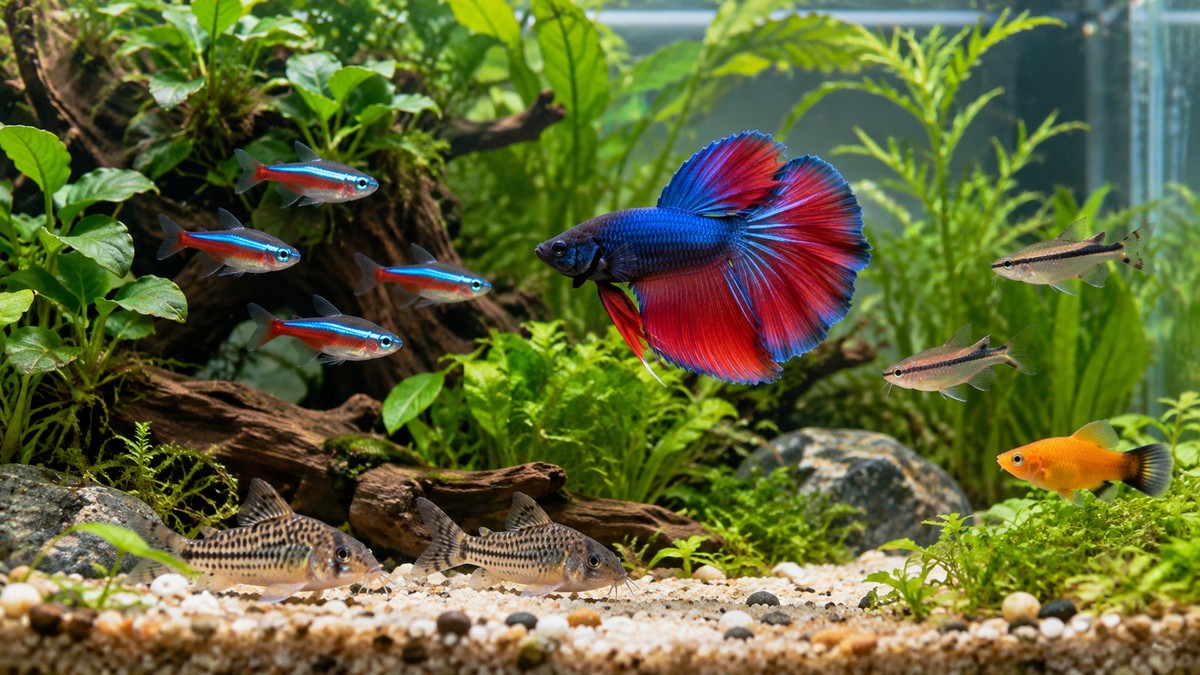
Kuhli loaches grow to about 3.5 inches. The guide describes them as eel-like, nocturnal scavengers that hide in groups during the day. Because their active hours overlap less with the betta’s, the guide says they can coexist even with more aggressive bettas. They like to hide under plant roots, rocks and driftwood, so those features in the tank help them settle. Feed sinking foods such as community pellets, Repashy gel food, frozen bloodworms and live blackworms, since they feed near the bottom.
Ember tetras
Ember tetras are about 1 inch long and suited to tanks of 10 gallons or larger. The guide says to keep at least 5 to 6 together so they school, which spreads the betta’s attention across the group instead of focusing on a single fish. They swim in the middle of the tank and eat foods similar to a betta’s, which keeps feeding simple. The guide also notes that a bright blue or solid white betta makes a strong color contrast with them.
Harlequin rasboras
Harlequin rasboras are about 2 inches, beginner-friendly, with orange bodies and a black triangular patch. Keep at least 6 so they school. The guide calls them peaceful, says they do not dominate food at mealtimes and that they stay out of the betta’s way. It adds that the betta may chase them without success, which it describes as good enrichment rather than a problem.
Cory catfish
Cory catfish grow roughly 1 to 3 inches and stay near the bottom, scavenging the tank floor. Keep at least 3 to 6 of the same species so they feel secure. Albino, panda and pygmy corys are common choices according to the guide. Because they eat from the substrate, feed a variety of sinking foods so they get enough.
Malaysian trumpet snails
These snails are mostly active at night and burrow into the substrate during the day. The guide says they reproduce readily, so you do not need many to start, and that cutting back on feeding reduces their numbers. They eat algae and organic debris and add little bioload.
What to avoid
- Another betta. The guide describes bettas as especially aggressive toward their own species. Do not keep two together.
- Mystery snails. The guide specifically advises against them. They are larger, feed during the day, and their long antennae may be mistaken for a worm by a betta.
- Single schooling fish. Ember tetras and rasboras are kept in groups of 5 to 6 or more because a lone schooling fish is exposed. A group also spreads out any attention from the betta.
- Crowding a small tank. Insufficient space or cover can lead to territorial behavior from the betta, per the same guide.
Compatibility at a glance
| Tankmate | Size (source) | Group size (source) | Where it lives |
|---|---|---|---|
| Kuhli loach | About 3.5 in | Hide in groups; number not stated | Bottom, hides under roots and rocks |
| Ember tetra | About 1 in | At least 5 to 6 | Mid-tank |
| Harlequin rasbora | About 2 in | At least 6 | Not stated |
| Cory catfish | 1 to 3 in | At least 3 to 6 of one species | Bottom |
| Malaysian trumpet snail | Not stated | Few needed to start | Burrows in substrate |
How to set up the tank before adding anyone
Build the plan around the betta first. A betta tank should be established before you add a group of schooling fish, and the betta should be comfortable in it. If you are bringing in a new betta, our guide on how to introduce a betta fish to a new tank covers the first steps. Live plants do double duty: they break up sight lines and give shy fish somewhere to go. For ideas, see our list of plants that are good for betta fish.
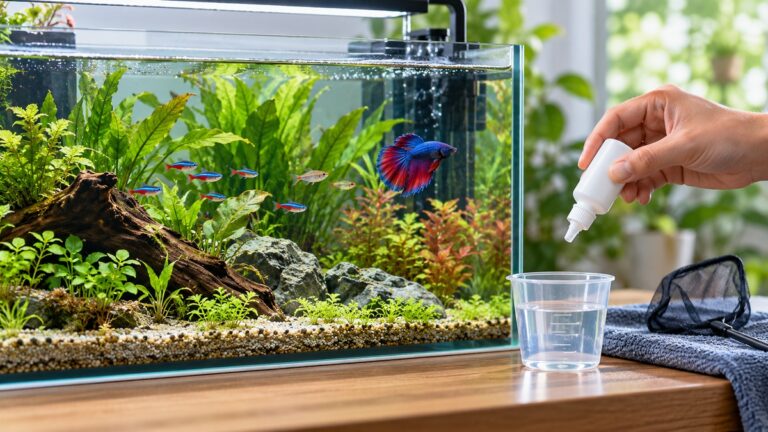
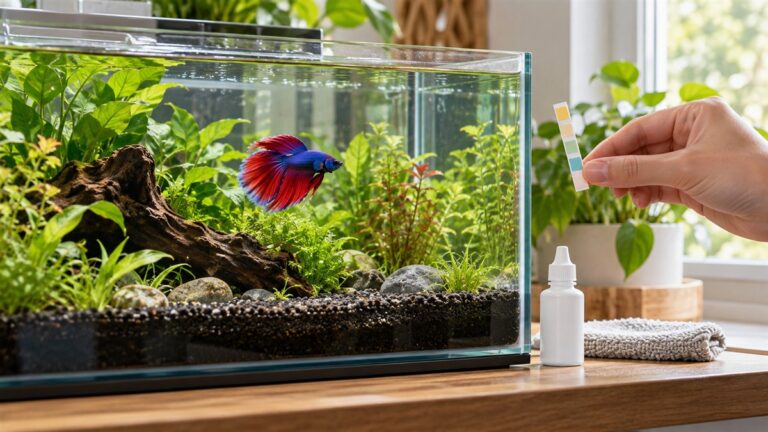
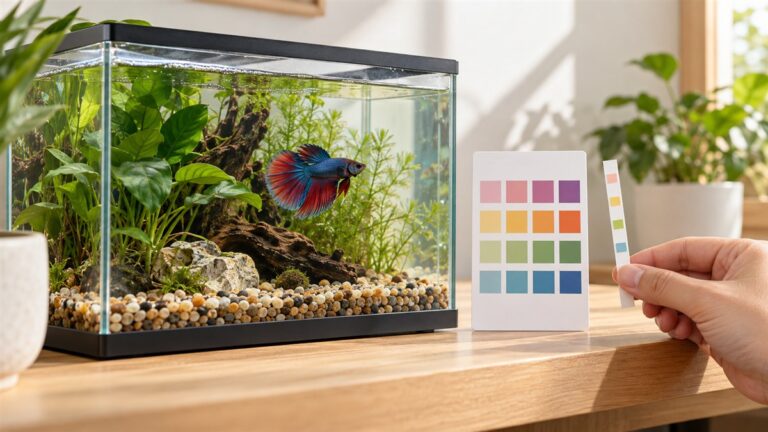
Pick a gentle filter or one with adjustable flow, since the Aquarium Co-Op betta care guide notes that long fins can be damaged by strong currents. The same guide says bettas prefer water around 80 degrees Fahrenheit and need a heater, so make sure any tankmate you choose is comfortable at that temperature. The sources we read do not give temperature ranges for each tankmate, so check the species’ needs before you buy.
Adding tankmates in a sensible order
The sources do not lay out a step-by-step introduction order, so treat this as common-sense planning rather than a rule from them. Place plants and hiding spots first, so there is cover from day one. Choose one species, in the group size the guide gives, instead of mixing several at once. Watch how the betta reacts. The guide notes that a betta’s personality decides whether a pairing works, and it gives no specific steps for handling aggression beyond its advice on tank size, cover and plants. If a pairing is not working, have a second tank or separate space ready so you can move one animal.
Feeding a mixed tank
Different tankmates feed in different parts of the tank, which is part of why they suit a betta. Ember tetras eat foods similar to a betta’s, so one food can serve both. Kuhli loaches and cory catfish need sinking foods, so their meals have to reach the bottom. Malaysian trumpet snails eat algae and organic debris. Watch that the bottom dwellers actually get food, because the guide specifically says to feed corys a variety of sinking foods so they get enough.
FAQ
Can I keep two bettas together?
No. The care guide describes bettas as especially aggressive toward their own species and territorial. Keep one betta per tank.
How big should the tank be for a betta with tankmates?
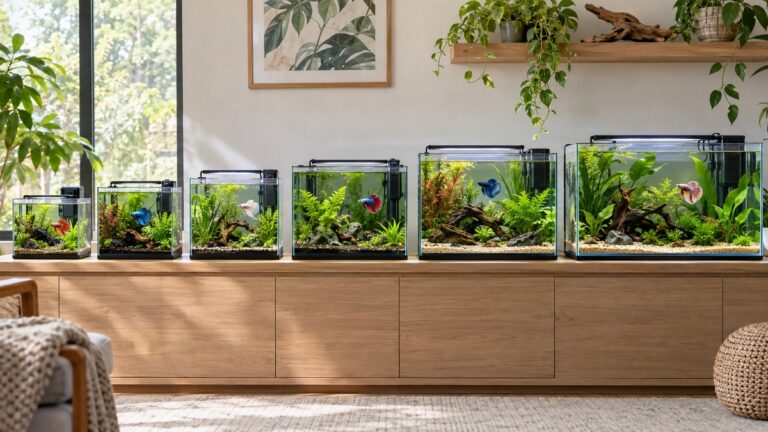
The tankmate guide recommends at least 10 to 20 gallons. The betta care guide suggests at least 5 to 10 gallons for a betta alone and discourages bowls.
Which tankmate is the safest first choice?
The guide says kuhli loaches overlap less with a betta’s activity and can coexist even with more aggressive bettas. Harlequin rasboras and ember tetras are also described as workable when kept in groups.
Are snails safe with a betta?
Malaysian trumpet snails are recommended. Mystery snails are advised against because they are larger, feed during the day and have long antennae a betta may mistake for a worm.
What if my betta chases the other fish?
The guide says a betta may chase harlequin rasboras without success and calls that good enrichment. Constant harassment is different, and the source offers no specific fix beyond more space, cover and plants. If it continues, separate the animals.
Bottom line
Pick a tank of 10 gallons or more, fill it with live plants and hiding places, choose one peaceful species in the group size the guide gives, and never add a second betta. If the betta will not accept the group, separate them rather than hoping it settles.