Betta Fish Health Problem Signs: What to Watch For
As an Amazon Associate we earn from qualifying purchases.
The most useful betta fish health problem signs are changes from the fish’s normal body condition, fins, skin, and behavior, especially when the water around the fish has also changed. A sign is a reason to check, not a diagnosis. The University of Florida IFAS publications on betta fish say bettas, like all fish, can get sick, and that good water quality, nutrition, and cleanliness help prevent disease. When a betta keeps declining, the sources point to a fish veterinarian rather than guessing at a cause.
Quick answer
- Treat sudden changes in fins, skin, scales, or behavior as a reason to check the water and the tank first.
- Damage to skin, fins, or scales can come from parasites, handling, or fighting, and can open the way for bacteria.
- Poor water quality is one of the most common stressors, and the sources say it often comes before disease outbreaks.
- If the fish keeps declining after the water is corrected, see a fish veterinarian. Do not start medication without a diagnosis.
Why bettas get sick
A betta’s body can handle stress for a while, but the UF/IFAS circular on stress and fish disease explains that the limit is real. Stress is a condition in which an animal cannot maintain a normal physiological state because of factors that harm its well-being. When stress is severe or lasts a long time, the fish’s defenses weaken and it becomes easier for a pathogen to take hold.
That matters because signs can appear late. The circular describes a stage where an animal can look and act normal while it uses up its energy reserves. By the time a fish looks clearly unwell, the stress may have been building for some time. This is why checking the environment early is more useful than waiting for a dramatic symptom.
What causes stress in a betta tank
The circular sorts stressors into groups. The ones most relevant to a home betta tank are:
- Chemical stressors: poor water quality, including low dissolved oxygen and an improper pH, and the buildup of ammonia, nitrite, or nitrate from waste.
- Biological stressors: aggression or territorial fights from other fish, and internal or external parasites.
- Physical stressors: temperature, which the circular calls one of the most important influences on the immune system of fish, along with light, sounds, and dissolved gases.
- Procedural stressors: handling and shipping.
Handling deserves attention. The circular explains that handling stress can physically remove the protective mucus on a fish, and that scales and skin are the parts most commonly damaged by handling. Any break in the skin or removed scale creates an opening for invading organisms.
Signs to watch for
The sources do not give a complete symptom checklist for bettas, so this section stays with what they do describe. Use these as prompts for a closer look, not as a diagnosis.
- Ragged, torn, or damaged fins or skin. The circular says parasite infestations can damage gills, skin, and fins and cause loss of scales, which can create breaks in the skin for bacteria to enter.
- Missing scales or fresh wounds. Handling and fighting injuries can remove scales and break the skin, so check tank mates and handling habits first.
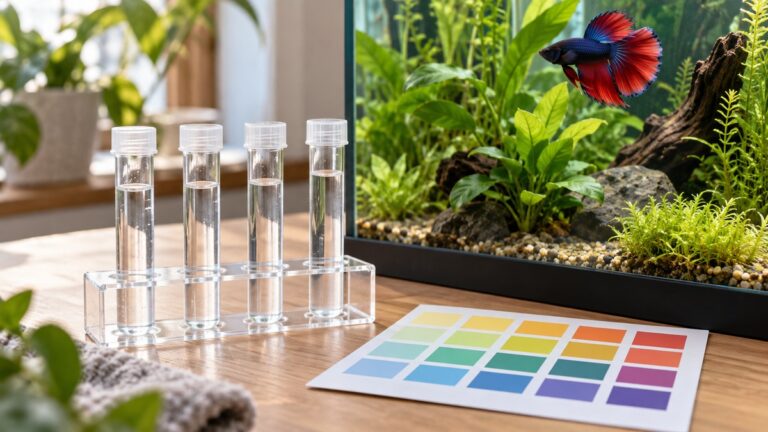
- Cloudy water, uneaten food, or visible debris. The UF/IFAS betta publication says uneaten feed and dissolved wastes such as ammonia must not be allowed to reach harmful levels.
- Signs that the fish is cold. The betta publication says bettas thrive in warmer water and do not do well in cold water, and the circular says cold temperatures can completely halt the activity of certain immune cells.
- A fish that looks normal but is slipping. Because stress can hide for a while, a betta that seems fine but has had repeated water or handling stress should still be checked.
Several of these signs overlap. A torn fin after a tank mate fight, for example, may also reflect a stressed fish with weaker defenses. Write down what changed in the last few weeks, including water changes, new decorations, new tank mates, and temperature shifts. That history is useful information for a vet.
Check the setup before treating anything
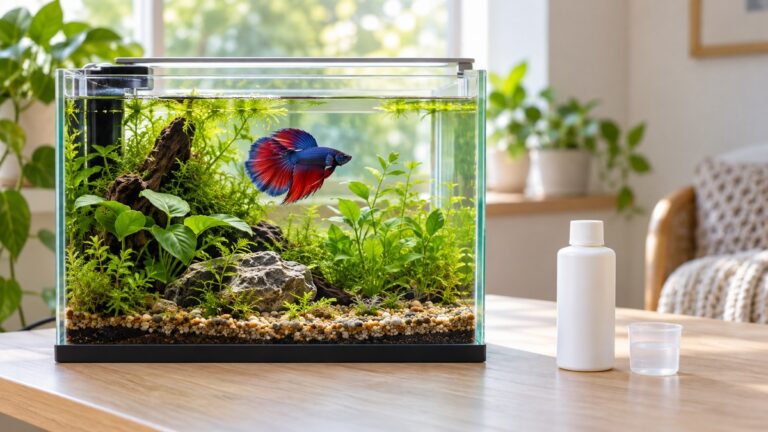
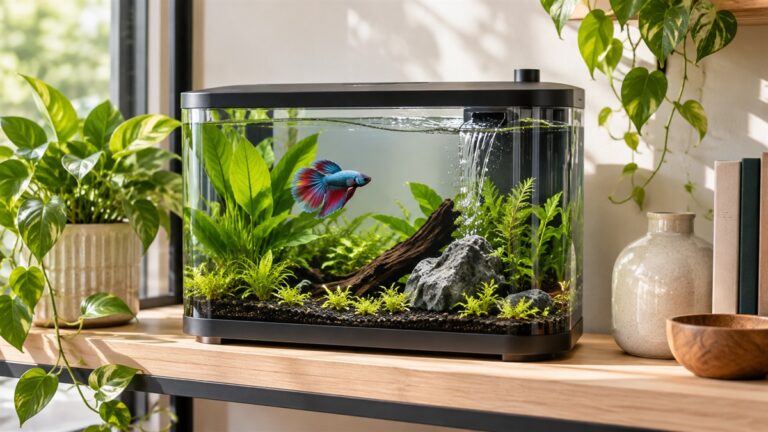
The betta publication recommends good water quality, nutrition, and biosecurity to prevent disease. For a betta, it says that aquariums of limited volume and reduced filtration should include frequent water changes so that uneaten feed and ammonia do not build up. The same publication says bettas prefer calm water and that heavy filtration may actually be harmful to a betta’s health and welfare. So a strong current is one more stressor to rule out, and a filter that is too strong should be reviewed.
Temperature is the next check. The betta publication says bettas do well in warm water and do not do well in cold water. For heating options and why they matter, read do betta fish need a heater. For tank volume, which affects how fast water conditions change, see how big of a tank do betta fish need.
The publication also notes that bettas can be kept in small containers when water quality, nutrition, and health are managed well. The same publication ties limited volume to the need for frequent water changes. This site does not recommend bowls or vases as a home for a betta, and small containers are a setup where the checks above matter most.
When to see a vet
The betta publication says proper diagnostics will be facilitated by working with a fish veterinarian, and that if a disease outbreak does occur, a fish veterinarian is key to successful management. The circular adds that different possible causes, such as water quality, nutrition, or infection, should be verified or ruled out before choosing a treatment.
The circular also warns that many drugs and chemicals can do more harm than good when used inappropriately. A treatment chosen from a product label or a forum post can therefore make the problem worse. The sources suggest contacting a local veterinarian who may work with fish, or a state or local veterinary medical association, which can recommend a colleague who does. The betta publication also points to the American Association of Fish Veterinarians locator for finding one.
See a vet sooner rather than later if the fish has damage to its skin or fins that is spreading or not healing, if it keeps declining after the water and setup have been checked, or if several fish in the same tank show signs at the same time. This guide does not give medication doses. Any dosing decision belongs to the vet.
How we chose
This guide uses two University of Florida IFAS Extension publications, both opened on 2026-10-24. One is a betta-specific publication on the species’ evolution, culture, and care. The other is the circular on stress and fish disease. The circular was written with fish farms in mind, so this guide uses it only for general mechanisms such as stress, handling, and water quality, not for farm treatment advice. Retail product pages and listings were not used as sources for any claim here.
What we could not verify
Several questions a betta owner asks are not answered by these sources. Rather than fill those gaps with guesses, this guide leaves them open.
What the sources do not say
- A full list of betta symptoms, such as color changes, appetite changes, or breathing changes, and what each one means.
- Names of specific betta diseases, how they spread, or how each is treated.
- Medication choices, doses, or treatment schedules. This guide does not provide them.
- Exact water test targets for a home betta tank.
- Whether a particular filter, heater, or decoration is safe for a particular betta. Product claims need the listing or manufacturer to support them.
Frequently asked questions
What are the most common betta fish health problem signs?
The sources point to damage to the skin, fins, or scales, and to changes in the water around the fish. A full symptom list is not in these sources, so any change in behavior or appetite should also prompt a check with a fish veterinarian.
Can poor water quality make a betta sick?
Yes, according to the UF/IFAS circular. It says poor water quality is a common and important stressor and that it precedes many disease outbreaks. It recommends preventing the buildup of organic debris and nitrogenous wastes.
Do bettas get diseases like other fish?
Yes. The UF/IFAS betta publication says bettas, like all other fish, are susceptible to disease, and that good water quality, nutrition, and biosecurity help prevent it.
Should medication start as soon as a sign appears?
No. The circular says many drugs and chemicals can do more harm than good when used inappropriately, and that treatment should follow a diagnosis. A fish veterinarian is the source the publications recommend for that step.
Can handling a betta cause health problems?
It can. The circular says handling stress can physically remove mucus, reduce the fish’s protective barrier, and damage scales and skin, which creates openings for invading organisms.
Sources
- University of Florida IFAS Extension, “Evolution, Culture, and Care for Betta splendens” (FA212), https://edis.ifas.ufl.edu/publication/FA212, opened 2026-10-24.
- University of Florida IFAS Extension, Circular 919 / FA005, “Stress-Its Role in Fish Disease” (Francis-Floyd, R., 2018), https://edis.ifas.ufl.edu/publication/FA005, opened 2026-10-24.