How Long Can a Betta Fish Survive Out of Water?
As an Amazon Associate we earn from qualifying purchases.
The person typing “how long can a betta fish survive out of water” wants a number, and the sources opened for this guide do not give one. The UF/IFAS betta publication says bettas are labyrinth fishes that breathe air at the surface, but it does not describe survival outside water or set a time limit. The Merck Veterinary Manual says that most home aquarium emergencies involve the water environment. This guide will not guess at a number. What the sources do support is that handling and time out of the water are stressful and can injure a fish, so a betta that has left the water needs prompt help from an experienced person.
Quick answer
- The sources checked for this guide do not give a length of time a betta can survive out of water.
- UF/IFAS describes bettas as air breathers at the surface, which is not the same as a description of life outside the water.
- UF/IFAS and Merck both describe handling as a stress that can remove protective mucus and damage scales and skin.
- Merck says emergency medical treatment for pet fish is not as advanced or as readily available as it is for dogs and cats, so contact an aquatic veterinarian or an experienced fish keeper right away.
What air breathing does and does not tell you
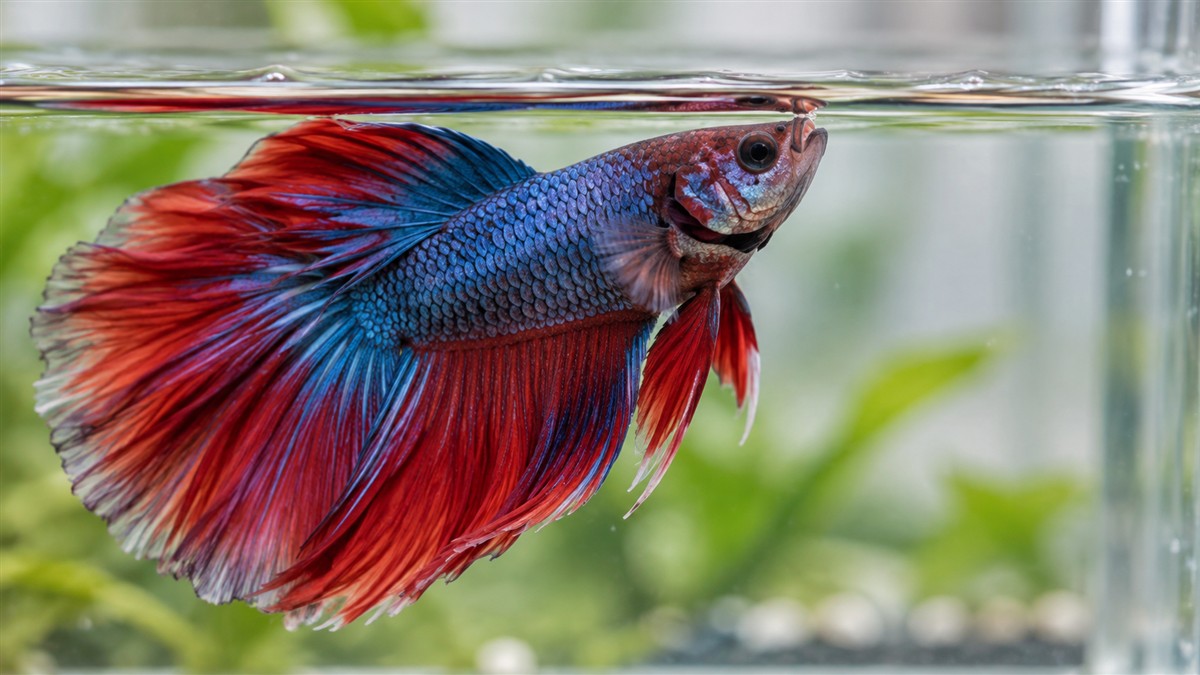
The UF/IFAS publication, “Evolution, Culture, and Care for Betta splendens,” explains the basis of betta breathing. It says that labyrinth fishes take their name from a specialized air-breathing structure called the labyrinth organ. It also says that many labyrinth fishes are obligate air breathers, meaning they must breathe at the surface to survive. That statement is about breathing air from the surface of water. It is not a statement about how long a betta can survive outside water, and the publication does not give a time.
The distinction matters because the publication describes air breathing at the surface of water, and a fish out of the water is in a different situation. The sources checked here do not compare the two or say how long a betta can last in air.
The UF/IFAS publication also describes the wild habitat of the betta as shallow, standing water with heavy vegetation and low dissolved oxygen. Those conditions explain why the fish developed air breathing. They do not measure how long the fish can last without water.
What the shipping descriptions say
The UF/IFAS publication describes how commercial bettas are shipped. It says that male bettas are placed into small, individual bags for shipping, with just enough water to keep them submerged. It also says that ninety percent of the bag’s volume is reserved for air to allow the betta enough oxygen to breath during shipment. Those descriptions show that shipping is designed around water and a reserve of air, not around a fish left dry.
The sources do not say how long the bagged fish are held in transit, and they do not describe what happens if a bag is opened in the air for any period. Shipping practice is not a survival limit for a betta at home, and this guide does not use it as one. It is a description of a controlled process with water and air in the bag.
Handling stress and injury
The UF/IFAS stress publication, “Stress—Its Role in Fish Disease,” describes handling as a physical stressor. It says that handling stress physically removes mucus from the fish. The mucus layer is part of the fish’s protection, and the publication says that scales and skin are most commonly damaged by Handling Stress. A fish that has been taken out of the water and returned is therefore at risk of skin and scale damage, even if it looks fine at first.
The Merck disorders chapter adds a specific warning about nets and transport. It says that eye injuries commonly occur during transport and handling, especially when fish struggle in a net. The same chapter lists crowded conditions, shipping, handling and other stressful situations among the things that can trigger outbreaks. The sources do not say how much handling a betta can tolerate, so the safest approach is to minimize handling and to keep the time out of water as short as possible while you get help.
The UF/IFAS stress publication also says that any stress that adversely affects the ability of the fish to protect itself will result in an ongoing disease problem. A betta that has been out of water may therefore be at risk of problems after it goes back in, even if it seems to recover quickly. Watch it closely after any incident, and describe what happened when you ask for help.
When a fish is out of the water
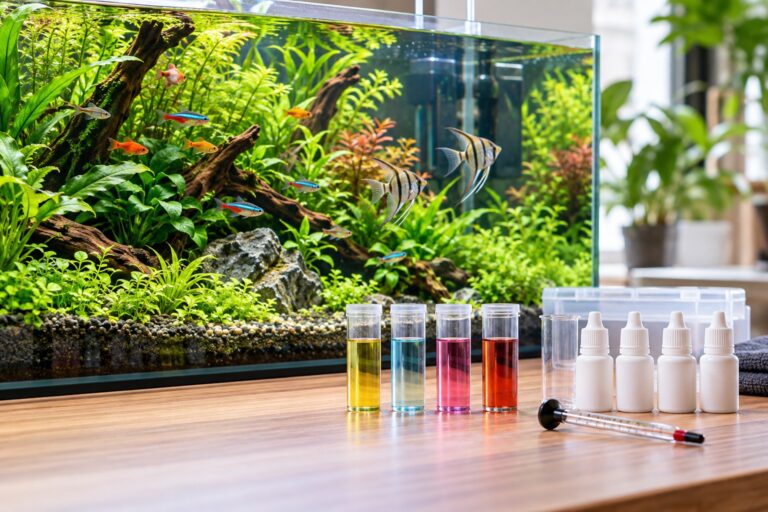
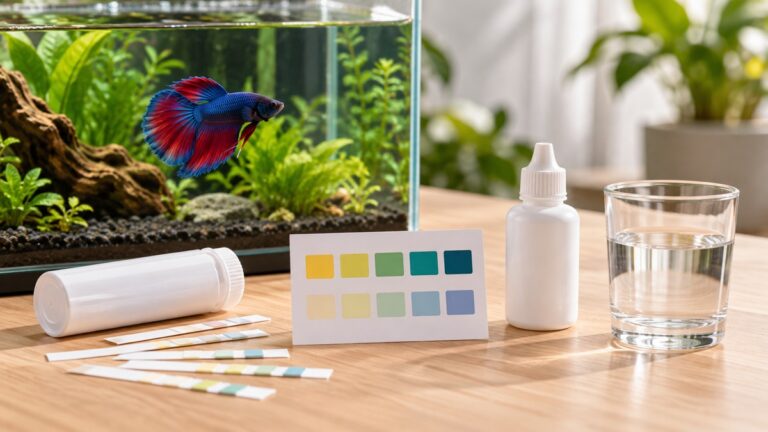
The Merck emergencies chapter says that most home aquarium and pond emergencies are not truly medical in nature. It explains that they generally involve something going wrong with the aquatic environment such as a leak or an electrical problem with a heater or pump. That point is useful for prevention. The Merck chapter also says that most emergencies can be avoided by planning and vigilant monitoring of the environment through water tests.
The sources checked for this guide do not give first aid steps for a fish that has left the water, and this guide will not invent them. The safe course is to contact an aquatic veterinarian or an experienced fish keeper promptly and describe what happened, how long the fish was out, what the water was like and what the fish is doing now. A fish that is still alive and moving may need that expert advice quickly. The Merck chapter also says that emergency medical treatment for pet fish is not as advanced or as readily available as it is for dogs and cats, so do not wait for a clinic appointment to start looking for help.
For prevention, a practical step is to check the tank for leaks and electrical problems, and to keep the water tested. A guide to setting up a betta tank with that in mind is best way to set up a betta tank. For the heater, which the Merck chapter lists among electrical items that can fail, see do betta fish need a heater.
How we chose
This guide uses only sources opened on 2026-10-24. The rule was to use university extension and veterinary references whose text covers breathing, handling, shipping or emergencies. Each quote was matched word for word to the text of the source. Retail pages and product listings were not used, and no product is recommended. Where a source describes a general effect, the guide says it is general. Where a source does not give a number, the guide says so instead of supplying one.
What we could not verify
The sources checked for this guide do not give a survival time for a betta out of water. They do not say how long a betta can stay out before harm sets in, and they do not say what the fish can tolerate in air for a given temperature or humidity. Any number on a website for this question is not supported by the sources in this guide.
What the sources do not say
- How many minutes or hours a betta can survive out of water, under any conditions.
- How long a bagged or wet betta can be held before it is at risk, outside the commercial shipping context.
- Whether a betta that has jumped out and been returned to the water will recover, and how long recovery takes.
- First aid steps for a betta that has left the tank, or the treatments that might follow.
Frequently asked questions
Can a betta breathe air like a land animal?
The UF/IFAS publication says that labyrinth fishes have a labyrinth organ that lets them breathe air, and that many must breathe at the surface to survive. That describes breathing air from the water’s surface. The sources do not say that a betta can breathe air for extended periods outside the water.
How long can a betta survive out of water in a bag?
The sources describe commercial shipping, with bags that hold just enough water to keep the fish submerged and a large share of air in the bag. They do not give a survival time for a betta in a bag or in air. Shipping practice is not a survival limit for a fish at home.
What should I do if my betta jumps out of the tank?
The sources do not give first aid steps. Contact an aquatic veterinarian or an experienced fish keeper right away, describe how long the fish was out and what the water was like, and watch the fish closely afterward. Do not rely on this guide for a home treatment.
Can handling a betta damage it?
Yes, according to the sources. The UF/IFAS stress publication says handling stress physically removes mucus from the fish and that scales and skin are most commonly damaged by handling stress. The Merck disorders chapter says eye injuries commonly occur during handling, especially when fish struggle in a net.
Is a betta in trouble if it looks fine after being out of water?
The sources do not say that a fish that looks fine is safe. The UF/IFAS stress publication says that any stress that adversely affects the fish’s ability to protect itself can cause an ongoing disease problem. Watch the fish over the following days, and describe any change to an aquatic veterinarian or an experienced fish keeper.
Sources
- University of Florida IFAS Extension, “Evolution, Culture, and Care for Betta splendens” (FA212), https://edis.ifas.ufl.edu/publication/FA212, opened 2026-10-24.
- University of Florida IFAS Extension, “Stress—Its Role in Fish Disease” (Circular 919/FA005), https://edis.ifas.ufl.edu/publication/FA005, opened 2026-10-24.
- Merck Veterinary Manual, “Emergencies of Fish,” https://www.merckvetmanual.com/all-other-pets/fish/emergencies-of-fish, opened 2026-10-24.
- Merck Veterinary Manual, “Disorders and Diseases of Fish,” https://www.merckvetmanual.com/all-other-pets/fish/disorders-and-diseases-of-fish, opened 2026-10-24.