What Can I Feed My Goldfish Besides Flakes?
As an Amazon Associate we earn from qualifying purchases.
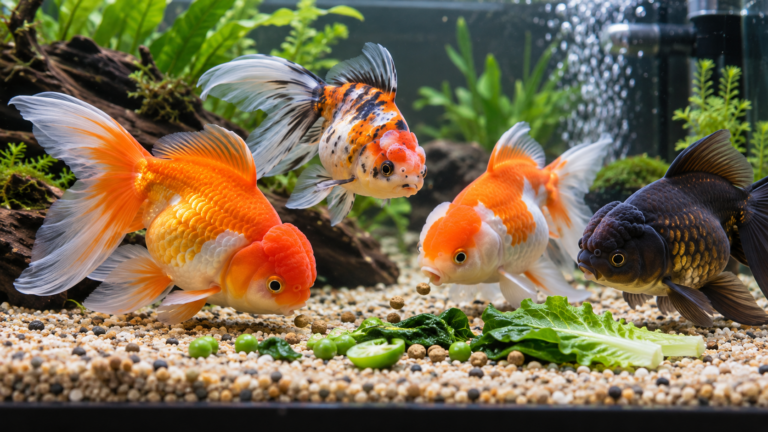
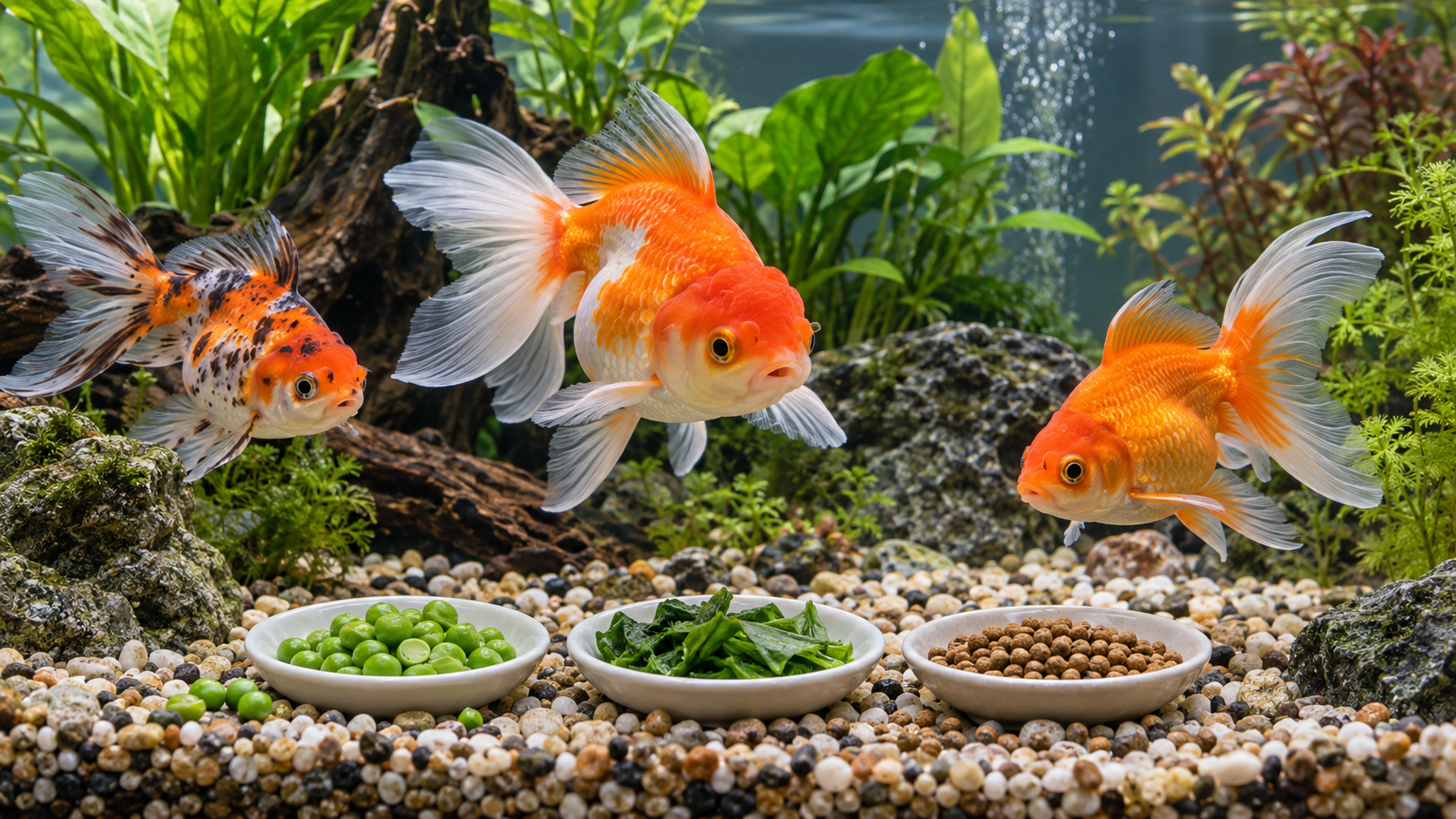
What can I feed my goldfish besides flakes? A goldfish can be fed other dried foods, vegetables, shrimp pieces, plant material and, in limited amounts, live food. Merck names pelleted food, “shrimp pieces and plant material” and fresh vegetables as options, and it warns that live foods alone may not be a complete diet. The main food should still be a commercial dried food, with these as supplements.
Quick answer
- Pellets are a practical alternative to flakes. Merck says pelleted foods are formulated for koi and goldfish, though its examples are for outdoor ponds.
- Vegetables such as zucchini can be a supplement a few times a week, according to Merck.
- Shrimp pieces and plant material are named by Merck as supplements, not as a complete diet.
- Live foods can add variety, but Merck says they may not be complete and can carry parasites or diseases.
Pellets and dried foods
Pellets are the most direct alternative. Merck says that “Several kinds of pelleted food are formulated specifically for koi and goldfish in outdoor ponds.” The source describes the pellet in the context of an outdoor pond, so an indoor owner should check the label for the fish it is made for and the feeding form. The same source states that commercial dried foods, “such as pellets, flakes, or granules, are a good choice because they are usually formulated to contain the proper mix of nutrients for your fish when fed properly.”
A pellet is not automatically better than a flake. The sources do not compare the two forms for goldfish. What they do say is that the form should suit where the fish feeds, because Merck notes that “fish that prefer to feed at the bottom should not be fed flakes that float on the surface.” A sinking pellet and a floating flake serve different feeding habits, so the choice depends on the fish.
Storage matters for any dried food. Merck says “Food should not be stored for excessive periods of time,” and that “In general, dried foods should be kept on hand for no more than 2 months.” Buy a size the fish will finish within that window.
Vegetables
Merck describes vegetables as a useful addition: “Fresh vegetables are also a good addition to the diet of many fish.” It gives an example: “Zucchini can be diced, lightly cooked, and stored in the freezer.” It also says “Feeding vegetables a few times a week as a supplement provides an excellent source of B and C vitamins.”
The phrase “a few times a week as a supplement” is the important limit. A vegetable is an extra, not the whole meal. The sources do not give a weight or count of vegetable pieces for a goldfish, so start small and remove any piece that sits uneaten, following Merck’s routine rule to “Feed fish and remove any uneaten food.”
Shrimp pieces and plant material
Merck says “Natural foods such as shrimp pieces and plant material can be used as supplements.” That wording sets them as additions to a main diet. Shrimp pieces and plant material both add variety. The sources do not state how much of either to give, and they do not describe a specific shrimp or plant product.
FishBase lists the goldfish’s trophic level at 2.0, “based on diet studies.” That places the goldfish low on FishBase’s food-web estimate, which fits a diet with plant material in it. The estimate does not give a feeding amount, but it supports the idea that plant-based extras are a natural fit for goldfish.
Live foods and their limits
Live food is the most tempting alternative, and Merck gives a clear caution about it. Live foods, “while generally a good source of protein and fat, can lack sufficient amounts of other elements and may not provide a complete diet.” Merck also notes that “fish fed only live food from day one may refuse other foods,” and that “If the primary live food becomes unavailable, it may take some time to find another source.”
Merck adds one more concern: “live foods can sometimes introduce parasites or diseases into the fish’s environment.” For a home aquarium, that is a reason to use live food sparingly and only from a source the owner trusts. Merck’s advice for outdoor ponds also mentions insects that fall in the water, but that describes a pond, not an indoor tank.
How much and how often
Merck gives a general feeding rate for fish: “In general, maintenance diets are fed at a rate of 1% to 2% of body weight per day, and growth diets at 3% to 5% of body weight per day.” Few owners know a goldfish’s body weight, so the practical check is Merck’s daily rule to remove uneaten food. Merck also says “Overfeeding can lead to health problems as well as a dirty tank.”
Feeding should change with the fish and the season. Merck notes that “Feeding methods and rates vary with species, age, system, and water temperature.” Because rates depend on water temperature, an owner should adjust the amount rather than feed the same portion all year.
When a change of diet is a problem
A goldfish that refuses a new food, loses weight or shows other changes should be checked. Merck lists “Not eating,” lethargy, “Weight loss” and loss of color among common signs of illness in fish. Merck’s guidance is that complicated disorders need veterinary treatment, so an experienced fish keeper or an aquatic vet is the right contact if the signs continue.
For a related question about mixing betta and goldfish foods, see can I feed goldfish betta food. For a betta-side view of flake choices, see betta flakes or pellets.
How we chose
This guide is based on four sources opened on 2026-10-24: two Merck Veterinary Manual fish care pages on diet, supplements and routine health care, and two FishBase species summaries. No retail listings, prices or product ratings were used. Each alternative listed here is taken from a statement in those pages, and the cautions are taken from the same text.
What we could not verify
The sources do not compare pellets, flakes and granules for goldfish, and they do not give a list of goldfish-safe vegetables beyond the zucchini example. The pellet and insect advice is written for outdoor ponds. No specific brand of pellet, shrimp product or live food was opened.
What the sources do not say
The sources do not say how much shrimp or plant material a goldfish should eat, whether any single vegetable is unsafe, or how long a home goldfish can go on a varied diet without a dried food. Those points need a product label, a feeding guide from a fish care source that covers home tanks, or the advice of an experienced fish keeper.
Frequently asked questions
Can goldfish eat pellets instead of flakes?
Merck says pelleted food is formulated for koi and goldfish, although its examples are for outdoor ponds. Check the label and the feeding form, since the sources do not compare pellets and flakes directly.
Can goldfish eat vegetables?
Merck says fresh vegetables are a good addition to the diet of many fish, and gives zucchini as an example. It recommends vegetables a few times a week as a supplement.
Are live foods a good alternative to flakes?
Merck says live foods can lack some nutrients and “may not provide a complete diet,” and can sometimes carry parasites or diseases. Use them as a sparing supplement.
How much should I feed a goldfish?
Merck gives a general rate of 1% to 2% of body weight per day for maintenance diets, and advises removing uneaten food. Feeding rates vary with species, age, system and water temperature.
When should I call a vet about a goldfish that will not eat?
Merck lists “Not eating” as a common sign of illness in fish. Continued refusal of food, weight loss or other signs should be assessed by an experienced fish keeper or an aquatic vet.
Sources
- Merck Veterinary Manual, “Providing a Home for Fish,” https://www.merckvetmanual.com/all-other-pets/fish/providing-a-home-for-fish (opened 2026-10-24)
- Merck Veterinary Manual, “Routine Health Care of Fish,” https://www.merckvetmanual.com/all-other-pets/fish/routine-health-care-of-fish (opened 2026-10-24)
- FishBase, Carassius auratus species summary, https://www.fishbase.se/summary/Carassius-auratus.html (opened 2026-10-24)
- FishBase, Betta splendens species summary, https://www.fishbase.se/summary/Betta-splendens.html (opened 2026-10-24)