Are Betta Fish Hardy? What the Sources Say
As an Amazon Associate we earn from qualifying purchases.
Are betta fish hardy? A University of Florida publication describes the betta as “one of the most popular aquarium species because of its hardiness,” so the answer is yes in a limited sense. The same source also says that “Bettas, like all other fish, are susceptible to disease.” Hardy does not mean forgiving. A betta can handle some variation, but its health depends on water quality, nutrition, and how stressed it is, and the sources we opened do not describe any setup in which those factors can be ignored.
Quick answer
- UF/IFAS calls the betta one of the most popular aquarium species “because of its hardiness,” which is the basis for the common description of bettas as hardy.
- The same source says bettas are “susceptible to disease” like all fish.
- It states that “Good water quality, nutrition, and biosecurity will help prevent disease and promote good health.”
- No source opened for this guide describes a betta that is hardy enough to ignore water quality or temperature.
What the word hardy means in the sources
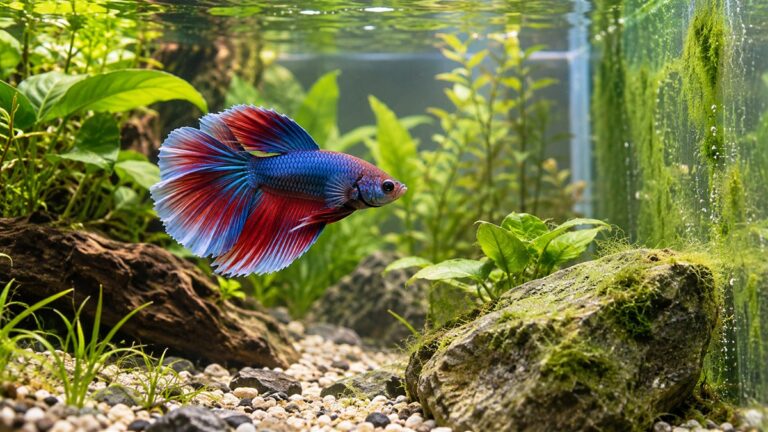
The UF/IFAS betta publication, Evolution, Culture, and Care for Betta splendens, gives the basis for the popular view. It explains that the betta is “one of the most popular aquarium species because of its hardiness, beautiful, bold colors, and long fins developed by selective breeding in captivity.” Hardiness is one of several traits named in that sentence, and the source does not define it with a test or a scale.
The wild origin of the species is part of the context. The source states that in the wild, the betta is “typically found in standing waters, including shallow ponds, rice paddy fields, and even puddles.” That history explains why bettas can survive conditions that many fish cannot. The same passage does not say that bettas are indifferent to conditions in a home aquarium.
The source also describes temperature. It states that “bettas thrive in warmer water and do not do well in cold water.” It adds that where an unfiltered, unheated container is used, “the air temperature of the room should be maintained at no less than 22°C (71.6°F).” A betta’s hardiness therefore has limits, and cold is one of them.
Disease is still a risk
The statement that matters most for owners is direct. The UF/IFAS publication says that “Bettas, like all other fish, are susceptible to disease.” It then says that good water quality, nutrition, and biosecurity “will help prevent disease and promote good health.” That sentence treats hardiness as something that can be supported by management, not as a substitute for it.
The UF/IFAS stress publication explains why disease follows poor conditions. It says that “Stress compromises the fish’s natural defenses so that it cannot effectively protect itself from invading pathogens.” Hardy fish are not immune to stress. A betta under constant stress from poor water or handling is more likely to get sick, even if it is a hardy species.
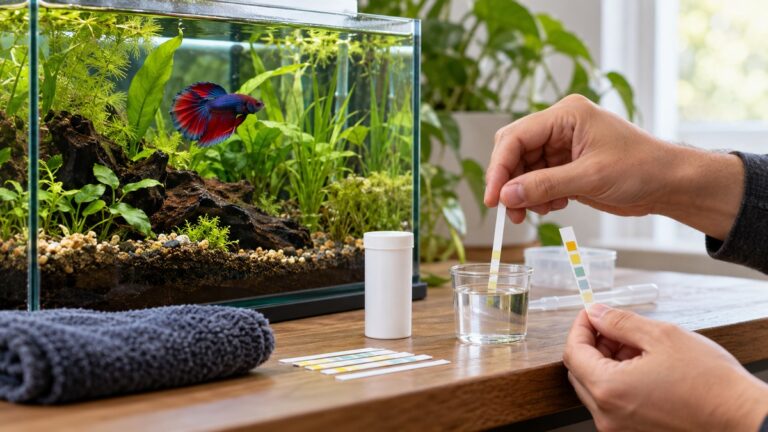
The same source adds that “Poor water quality is a common and important STRESSOR of cultured fish and precedes many disease outbreaks.” The source is about cultured fish, but the principle applies to home tanks as well. Poor water is a stressor that comes before illness, which is why owners should test rather than assume.
What hardiness does not cover
Water chemistry is the largest gap. The UF/IFAS ammonia publication says that “At low concentrations, ammonia causes stress and damages gills and other tissues.” It also says that “Nitrite is toxic to fish at levels as low as 0.10 mg/L.” These are general fish statements, not betta-specific numbers, but they show that a hardy species can still be harmed by water that is not managed.
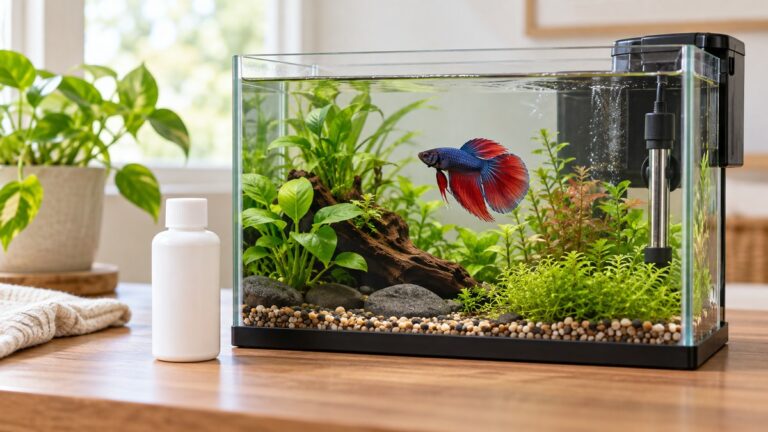
Water flow is another area where hardiness does not help. The UF/IFAS betta publication says that “Bettas prefer calm water as shown by research using flow as a stressor, so heavy filtration may actually be harmful to a betta’s health and welfare.” A fish can be described as hardy and still be poorly served by a strong current.
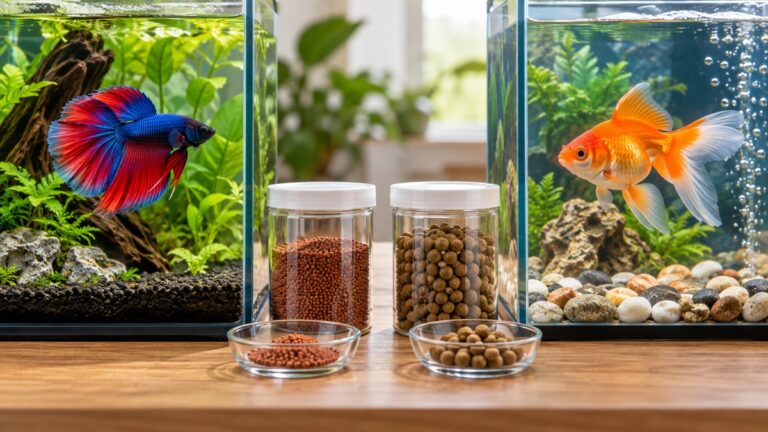
Nutrition is also part of the picture. The UF/IFAS fish nutrition publication says that “The most common mistake made by pet owners is over-feeding their fish, often with resulting degradation of water quality.” Overfeeding harms the water, and the water then harms the fish. The Merck Veterinary Manual states that “Quality foods and variety also improve coloration and behavior and reduce stress levels.” Diet affects stress, and stress affects disease resistance.
What hardy means for a new owner
For a beginner, the useful reading is that bettas are often more tolerant than some fish, but that tolerance is not unlimited. The sources support a practical approach: provide a stable tank, avoid sudden changes, test water, and feed with care. A betta kept in conditions that the sources describe as stressful is not being protected by its hardiness.
Heat is a common example. A betta that lives in a cold room or an unheated container can fall outside the conditions the sources describe as suitable. For a heater choice, see do betta fish need a heater. For a practical guide to keeping water warm, see how to keep betta water warm.
If a betta shows a change in color, fin condition, breathing, or appetite, the sources do not support a home remedy. Test the water first. Then contact an experienced fish keeper or an aquatic vet. Do not treat a sick fish based on this guide.
How we chose
This guide uses four sources opened on 2026-10-24: a UF/IFAS publication on betta evolution, culture, and care; a UF/IFAS publication on ammonia in aquatic systems; a UF/IFAS publication on stress and fish disease; and a Merck Veterinary Manual page on providing a home for fish. University extension publications were chosen because they explain the reasons behind the word hardy and can be checked. Retail pages, product listings, and forum posts were not used. No product is recommended, and no price or rating is included.
What we could not verify
The sources do not give a scientific test for hardiness, and they do not compare bettas with other aquarium species on a common scale. The points below are unresolved by the material we opened.
What the sources do not say
- A single measure of how hardy a betta is compared with other aquarium fish.
- The lifespan a betta can expect under any given conditions.
- How much temperature variation a betta can tolerate for how long.
- Which specific diseases are most common in pet bettas, because the UF/IFAS publication discusses disease in general terms.
Frequently asked questions
Are betta fish easy to keep?
The sources describe bettas as a popular and hardy species, but they do not describe them as low-maintenance. Good water quality, nutrition, and biosecurity are named as the basis for good health.
Do bettas survive in bowls because they are hardy?
The UF/IFAS publication discusses small containers in the context of commercial production. This site does not recommend bowls as a home for a betta, and the hardiness described in the sources does not make a bowl a suitable permanent setup.
Why do hardy bettas still die?
The sources link disease to stress and to poor water. Stress “compromises the fish’s natural defenses,” so conditions matter even for a hardy fish.
Does a heater make a betta less stressed?
The sources say bettas “do not do well in cold water,” and they connect temperature with stress and immune response. A heater can help keep temperature stable, but this guide does not set a target temperature, because the sources we opened do not give a betta-specific range.
What should I do if my betta gets sick?
Test the water and contact an experienced fish keeper or an aquatic vet. This guide does not give treatment steps or dosing.
Sources
- University of Florida IFAS Extension, “Evolution, Culture, and Care for Betta splendens” (FA212), https://edis.ifas.ufl.edu/publication/FA212, opened 2026-10-24.
- University of Florida IFAS Extension, “Ammonia in Aquatic Systems” (FA031), https://edis.ifas.ufl.edu/publication/FA031, opened 2026-10-24.
- University of Florida IFAS Extension, “Stress: Its Role in Fish Disease” (FA005), https://edis.ifas.ufl.edu/publication/FA005, opened 2026-10-24.
- Merck Veterinary Manual, “Providing a Home for Fish,” https://www.merckvetmanual.com/all-other-pets/fish/providing-a-home-for-fish, opened 2026-10-24.